Des marques essentielles
Notre force : une offre de marques iconiques proposées sur le marché ethnique bien connues des consommateurs issus des diasporas africaines, malgaches et de l’Océan indien. Racines détient 18 marques auxquelles viennent s’ajouter une sélection de marques distribuées. Ces marques font de Racines un allié dans la construction de votre assortiment pour vos commerces.
 Nos marques Bio
 Nos marques conventionnelles
 Nos marques distribuées





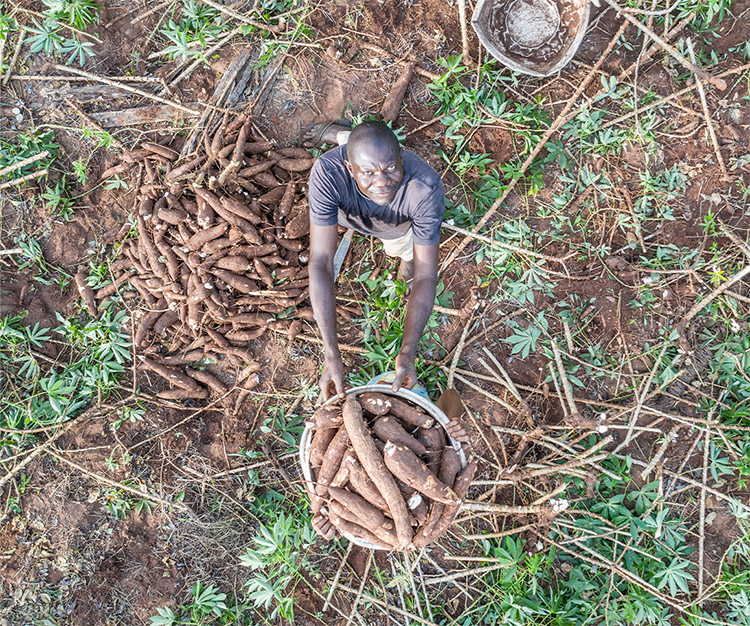
A la découverte de la culture culinaire d’un continent
Depuis 1987, RACINES s’est fixée comme objectif de maintenir le lien culturel culinaire entre l’Afrique et sa diaspora dans le monde mais également de faire découvrir et apprécier les produits alimentaires africains et de l’Océan Indien aux consommateurs européens.
4 engagements forts
RACINES a pris 4 engagements forts afin d’avoir une maîtrise de l’impact de son activité dans son environnement social et économique.




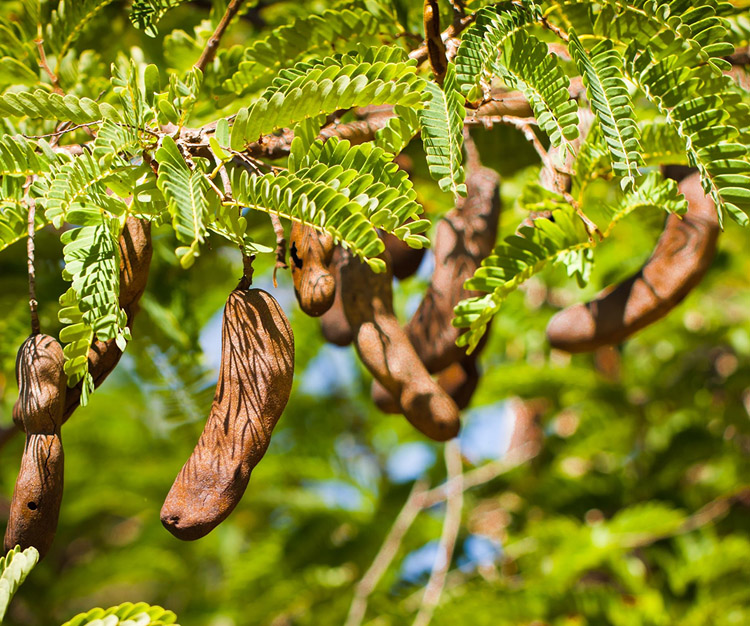
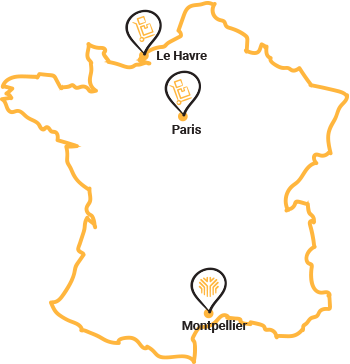
Nos équipes à
travers le monde
Quoi de plus naturel que d’être implanté dans les pays dont nos produits sont issus ?




Évènements & Actualités
Ressources
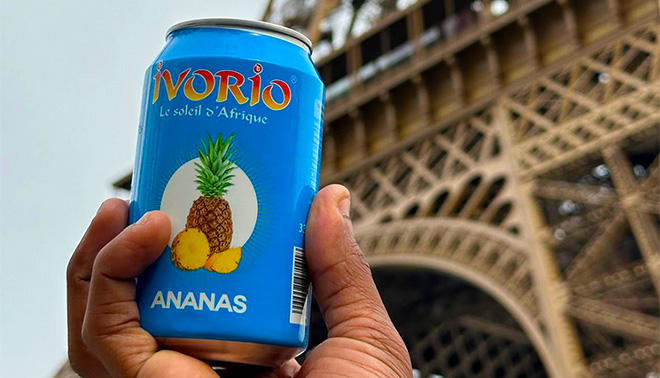
Ivorio arrive en France !
IVORIO arrive enfin en France ! Les jus IVORIO arrivent en exclusivité chez Racines ! 🍹🎉 🤩🥳Préparez-vous à savourer ces jus de fruits au goût ensoleillé avec de vrais morceaux de bonne humeur ivoirienne à l’intérieur !! La marque emblématique d'Atou est en...
Contactez-nous !
Vous souhaitez passer commande, vous avez une question concernant les produits ou voulez entrer en relation avec une personne de l’équipe Racines … N’hésitez pas à nous contacter !